Jakob Hartmann · 11 September 2026
Berglyn's Booming Craft Brewing Scene Fuels Unexpected Local Job Growth
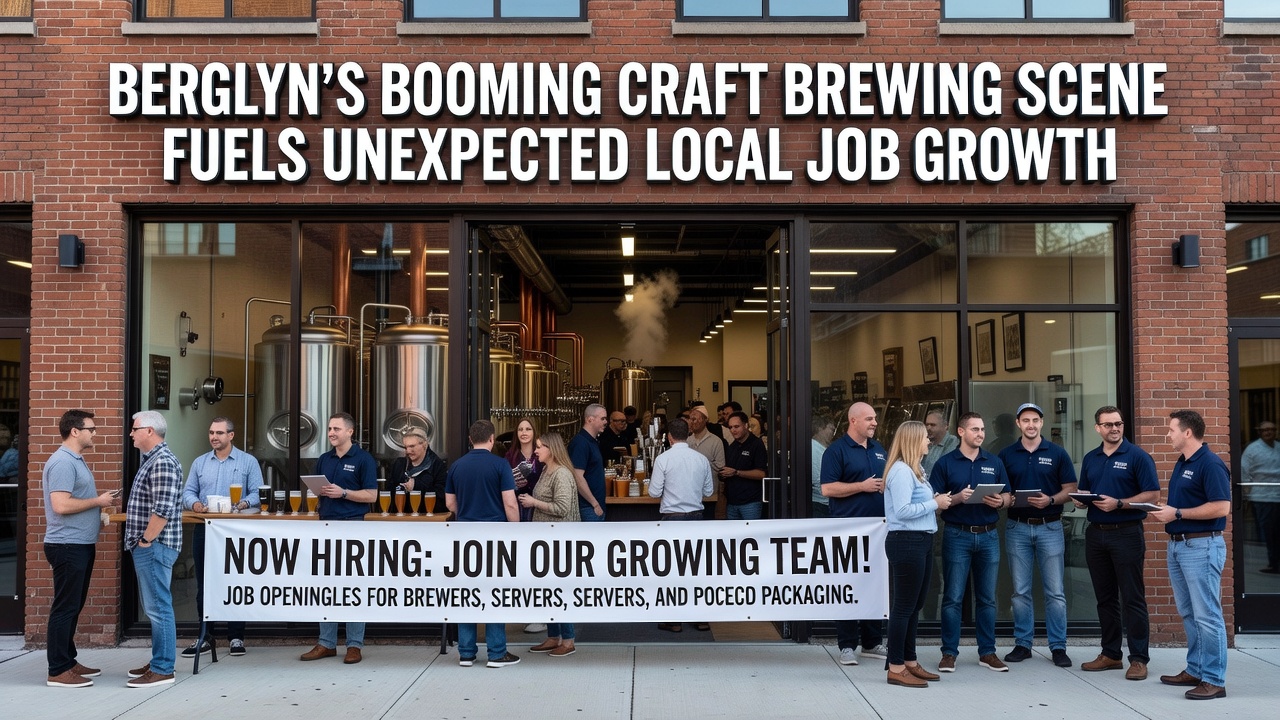
Local employment figures in Berglyn have shown steady increases tied directly to expansion in the craft brewing sector, with new facilities opening throughout 2025 and into September 2026. Multiple breweries have added production lines, distribution networks, and tasting rooms that require ongoing staff across brewing, packaging, sales, and hospitality roles. Government labor statistics from the region record these developments as part of broader manufacturing growth rather than isolated events.
Expansion Patterns Across Multiple Sites
Several established operations have increased capacity while newer entrants have launched facilities on former industrial lots, creating clusters that share supply chains for ingredients, equipment maintenance, and transportation. Data from the regional economic development office shows that each new brewery above a certain barrel threshold tends to generate between 25 and 40 direct positions within the first 18 months of operation. These roles range from skilled brewers holding certifications to entry-level packaging line workers and logistics coordinators handling keg and bottle shipments.
One facility that began small-batch production in 2023 scaled to a 15,000-square-foot site by mid-2026, adding a canning line that required technicians and quality-control staff. Another brewery partnered with local farms for specialty grains, which in turn supported agricultural jobs upstream. Observers note that these linkages have produced measurable ripple effects in adjacent sectors without relying on any single large employer.
Workforce Development and Training Programs
Community colleges in Berglyn have introduced certificate courses focused on brewing science, fermentation technology, and food safety regulations to match employer demand. Enrollment data indicates rising participation from individuals transitioning from other manufacturing fields. Programs run in collaboration with industry groups emphasize practical skills such as yeast management and regulatory compliance, which align with standards set by national and international bodies.
According to a report issued by the European Brewers Association, regions with coordinated training pipelines experience faster absorption of new workers into craft operations compared with areas lacking such programs. Berglyn's approach follows similar models used in parts of Canada and Australia, where vocational institutes partner with producers to reduce skill gaps. Figures from the local workforce board reveal that completion rates for these short-cycle courses have remained above 80 percent since the curriculum launched two years ago.
Supply Chain and Ancillary Business Effects
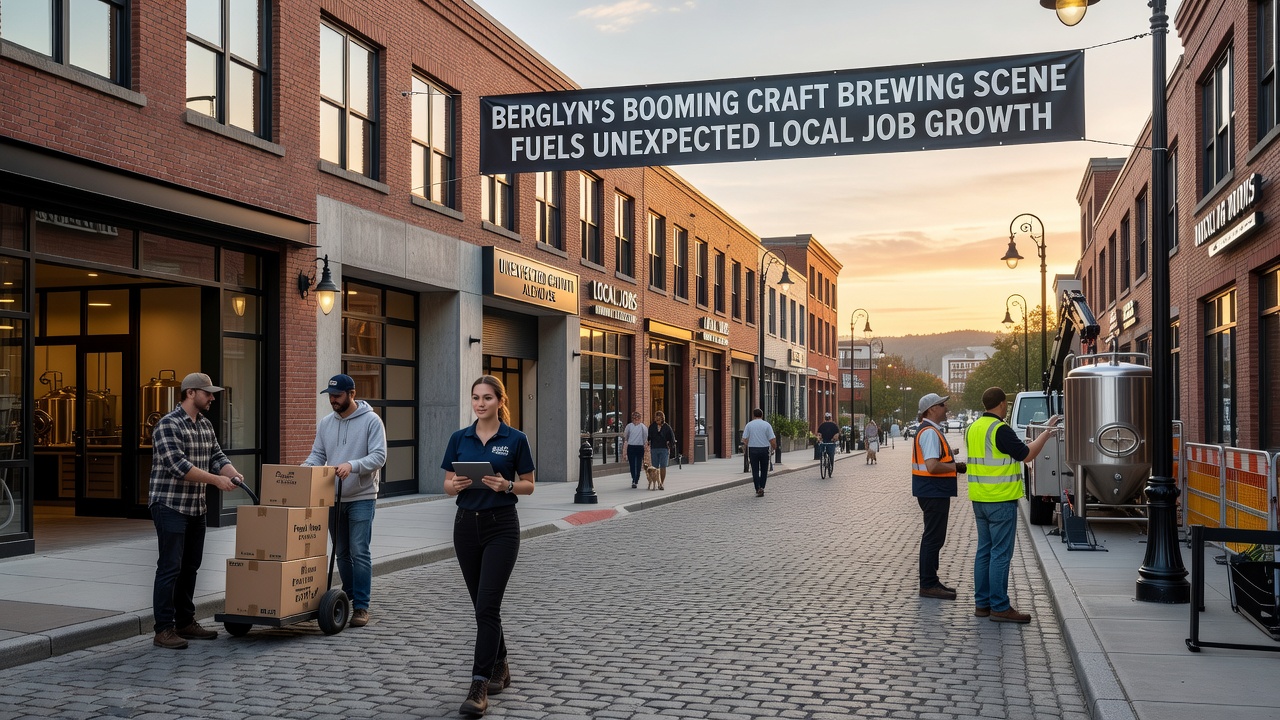
Packaging suppliers, label printers, and refrigeration specialists have opened or expanded locations to serve the growing cluster of breweries. A logistics company based outside the city center added three delivery routes dedicated to beverage transport after securing contracts with four local producers. These developments appear in municipal business license records and contribute additional employment categories that fall outside direct brewing roles.
Research compiled by a university economics department in the area tracked indirect job creation through vendor spending and found consistent multipliers across similar craft beverage clusters in the United States and the United Kingdom. Berglyn's pattern matches those documented cases, with spending on utilities, insurance, and marketing services rising in tandem with production volumes. The reality is that these secondary positions often prove more stable once the breweries reach consistent output levels.
September 2026 Milestones and Ongoing Trends
By September 2026, three additional tasting rooms had received permits, each projected to hire between eight and twelve service and events staff. Tourism data collected by the regional visitors bureau shows increased foot traffic in districts containing multiple breweries, supporting part-time and seasonal roles that complement full-time production work. Industry analysts tracking barrelage output report continued growth in both domestic distribution and limited export shipments.
Trade organizations such as the Brewers Association have published comparative studies highlighting how mid-sized markets can sustain diverse brewery sizes when zoning and permitting processes remain predictable. Berglyn's municipal updates have aligned with these observations by streamlining approvals for adaptive reuse of existing buildings. This approach has reduced build-out timelines for new entrants while maintaining compliance with health and environmental regulations.
Conclusion
Employment gains linked to craft brewing in Berglyn continue to register across direct, indirect, and induced categories according to available labor and economic data. Training infrastructure, supply-chain partnerships, and facility expansions have combined to support these outcomes through September 2026 and beyond. Further tracking by regional authorities will determine whether the current trajectory holds as the sector matures.