Rosa Becker · 31 August 2026
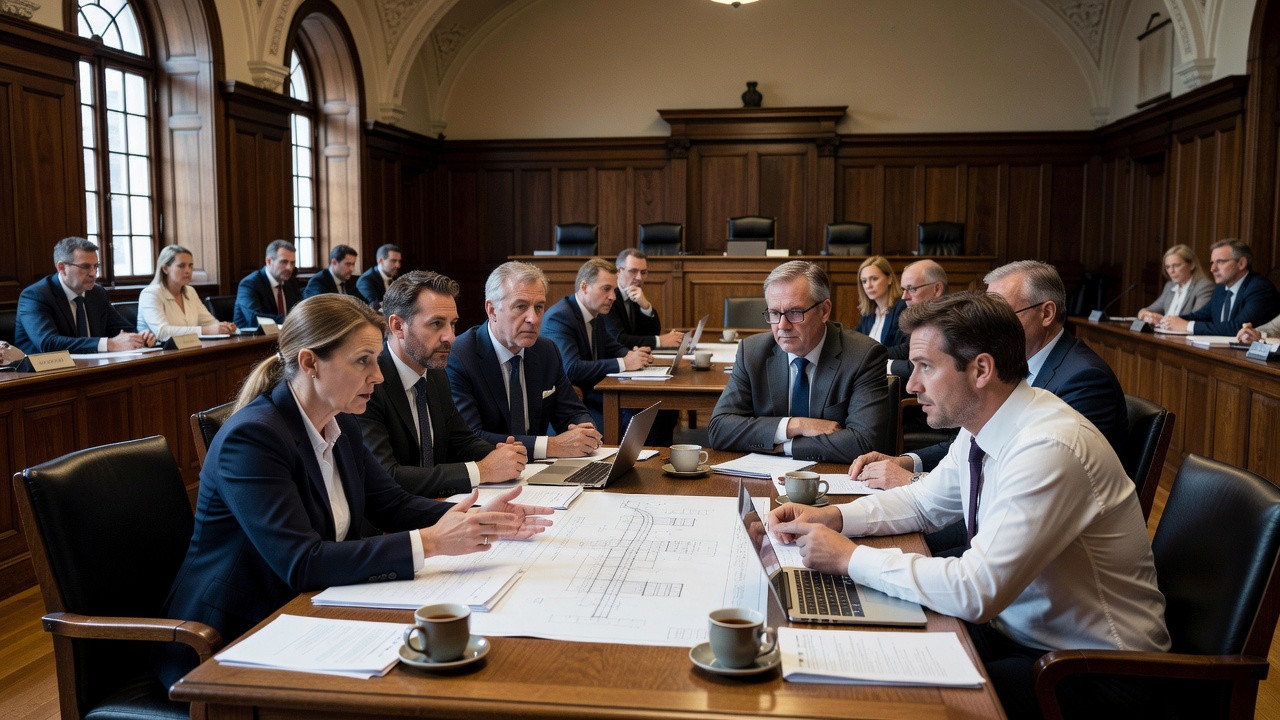
The Berglyn Council convened yesterday to discuss a proposed cross-border rail link connecting Berglyn with the neighboring region of Eldermere. Officials examined preliminary engineering reports and cost estimates during the three-hour session.
Key Elements of the Proposal
The plan calls for a 42-kilometer electrified line with three new stations and upgraded signaling systems. Projected construction costs stand at 1.8 billion euros, with funding expected from national infrastructure grants and private investment. Council members reviewed environmental impact assessments highlighting reduced road congestion and lower emissions as primary benefits. Opposition voices raised concerns over farmland disruption and noise levels near residential zones. Technical experts presented data showing travel times between Berglyn city center and Eldermere dropping from 75 minutes by car to 28 minutes by rail.
Public consultation sessions are scheduled for next month to gather resident feedback. Regional transport authorities emphasized the link's role in supporting economic growth through improved labor mobility and tourism access. Budget allocations for land acquisition remain under negotiation with local municipalities.
Potential Regional Impacts
Analysts project the rail connection could boost annual passenger volumes to 4.2 million within five years of opening. Supply chain efficiencies for local manufacturers are anticipated due to faster freight options. Some councilors stressed the need for integrated ticketing with existing bus networks to maximize ridership. Environmental groups called for additional wildlife corridors along the route to mitigate habitat fragmentation. A final vote on advancing to detailed design phase is expected within six weeks, pending updated fiscal projections from the finance committee.
Stakeholders from both regions have formed a joint working group to address cross-jurisdictional regulatory hurdles. Early modeling suggests the project could create 1,200 temporary construction jobs and 350 permanent operational positions. Council leaders reiterated their commitment to transparent decision-making throughout the planning process.